When is Eid al-Fitr 2027?
Question · One of the most asked questions about Ramadan
I need to book time off work for Eid next year. On what date is Eid al-Fitr 2027 expected, and how sure is that date?
Short answer
Eid al-Fitr 2027 is expected on Tuesday 9 March 2027 (Umm al-Qura calendar), or Wednesday 10 March in some countries. The final date depends on the moon sighting.
Detailed answer
Eid al-Fitr 2027 (1 Shawwal 1448 AH) is expected on Tuesday 9 March 2027 according to the Umm al-Qura calendar. In some countries it may be on Wednesday 10 March 2027, depending on when Ramadan began there and whether the new moon is sighted.
Why the date is not fixed in advance
Islamic months follow the moon and last 29 or 30 days. Ramadan ends when the new crescent of Shawwal is sighted on the evening of the 29th day, or after 30 days are completed. The Prophet (peace be upon him) said: "Fast when you see it and break your fast when you see it, and if it is hidden from you, complete thirty days" (Bukhari and Muslim).
If Ramadan 2027 starts on Monday 8 February, the 29th fast falls on Monday 8 March. If the crescent is seen that evening, Eid is on Tuesday 9 March; if not, Ramadan completes 30 days and Eid is on Wednesday 10 March.
In practice
- Booking leave: if you can, keep both Tuesday 9 and Wednesday 10 March free.
- The night before: Eid begins at sunset the evening before, when the takbir starts.
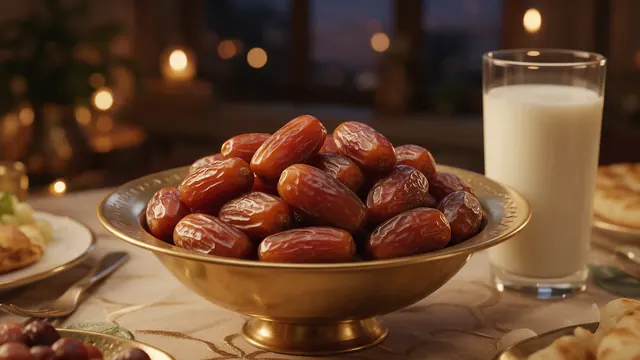
- Before the prayer: pay Zakat al-Fitr and eat something, such as a few dates.
- The prayer: held in the morning, a little after sunrise. See how to pray the Eid prayer.
- No fasting on Eid: fasting on the day of Eid is not allowed; see fasting on the day of Eid.
Check your country
Your local mosque or national religious authority will confirm the date on the evening of the 29th of Ramadan. For the expected Ramadan and Eid dates in your country, see Ramadan 2027 dates, follow the crescent on our moon page, and see the months ahead in the Hijri calendar.
To understand the festival itself, read what Eid al-Fitr is.
These answers give the general ruling based on the Quran, the Sunnah and the mainstream view of scholars. For a personal situation, ask a qualified scholar you trust.
Ask your question
Could not find your question? Send it to us. We add answers to the most asked questions on this page.